
Black Orpheus
The Film
The Four Seaons Opera Club humbly presents "Black Orpheus" as our tribute to Juneteenth. Apologies that our nominal art film week lands exactly on June 19 and in conflict with other celebratory activites. Perhaps those that missed out on those tickets will consider attending this important landmark in black film history.
Even in 1959 it was rare to have an all-black cast in a major film production. And those that did have not aged well due to lingering latent racist tropes. Michel Camus thus created a ground-breaking masterpiece of film-making. Perhaps that it largely due to the fact that cultured Europeans (he was French) have been much more diverse and progressive than American counterparts. Note that Camus married his beautiful female star, Marpessa Dawn.
Fair Warning: This ancient Greek myth has been updated to 1950's Rio de Janeiro during Carnival season. If you only like Greek myth on stark stages with an all-male cast in in togas and dactylic hexameter, you should give this a miss. But if you enjoy the vibrancy and color of life and would like to experience the birth of Bossa-Nova, this is a must-see.
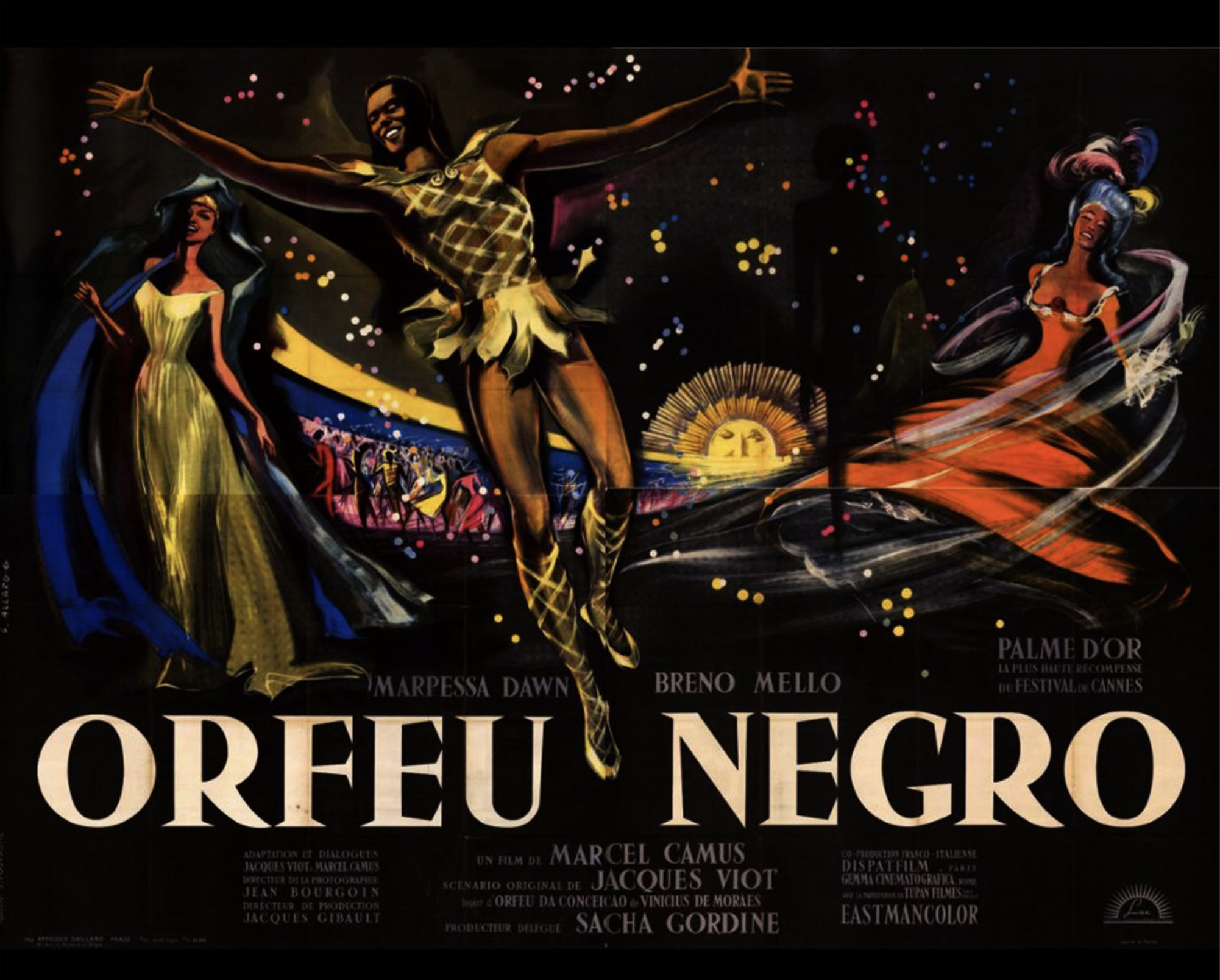
Michel Camus' 1959 art film classic, Black Orpheus. This is a modern retelling of the ancient myth of Orpheus and Eurydice.
Eurydice was attacked by a satyr. In her attempt to escape she fell into a pit of vipers and was bitten in the heel. Orpheus found her body and played such beautiful sad and mournful songs that the nymphs and gods wept and urged him to go to the underworld and beseach Hades her return.
Orpheus makes the journey across the river Styx and pleads his case with his music. Hades and Persephone are softened and grant his wish on the condition that Eurydice follow Orpheus back up and that Orhpeus not look back at her. But, when Orpheus reaches the upper world, in his eagerness he looks back upon Eurydice. At which point she was reclaimed by Hades and disappeared forever.
In this Camus film, the story is set in a Afro-Brazilian favela in Rio de Janeiro during Carnaval. Orfeu is a trolley driver and Eurydice is looking for her relations. He is smitten even though he is engaged to Mira, a fellow samba dancer with whom Orfeu is participating in the Carnaval parade. Orfeu takes Eurydice to the main station, where his supervisor, Hermes, can tell her the way to the home of her relation. In this retelling, Eurydice dies and Orfeu pursues her only to lose her again. And he also meets his own death at the doing of his spurned finacée, Mira.
Breno Mello - Orpheus
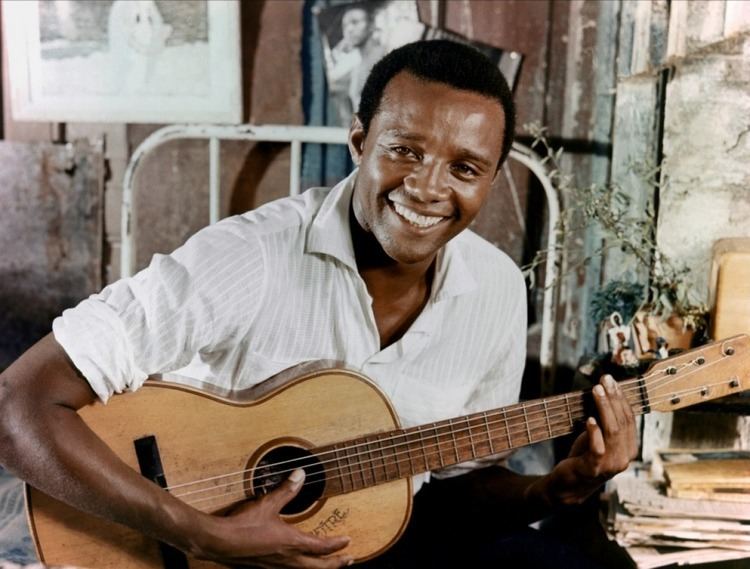
The male lead, Orfeu, was portrayed by Breno Mello. He was not an actor but rather a professional soccer player. Marcel Camus was casting for his male lead unsuccessfully, and then encountered Mello while walking in Rio. Mello's physical beauty caught Camus' attention and Camus offered Mello the role.
Marpessa Dawn - Eurydice
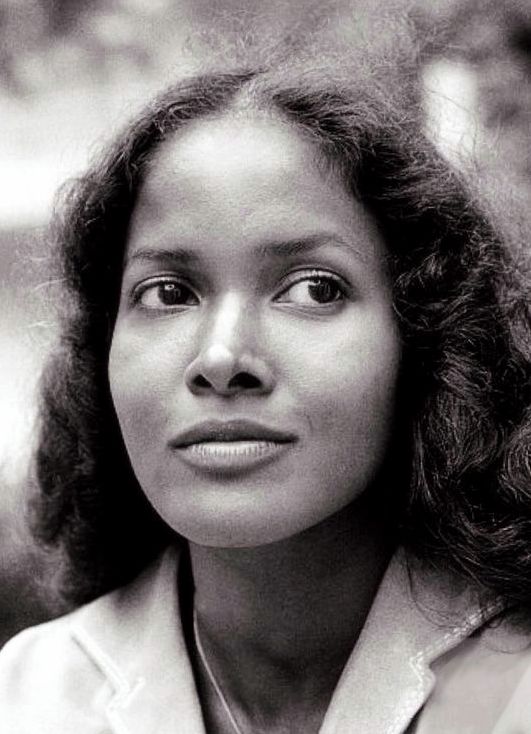
Marpessa Dawn was born on a farm near Pittsburgh, PA. She went to Europe as a teenager and did some TV work in England and danced in clubs in France, where she met Marcel Camus. Her role in "Orfeu Negro" launched her career as an actress, singer, and model.