
Le Nozze di Figaro
"Le nozze di Figaro" (The Marriage of Figaro) is one of the most beloved operas of Wolfgang Amadeus Mozart. It's probably fair to say that Don Giovanni is the most revered -- we will present Don G in July, later this year. Le Nozze is opera bufa. And while it does have several humorous scenes, it also has very serious statements about love, forgiveness and the politics of sex. In the opening scene of the opera, Figaro is blithely measuring the floor area of his new suite to see if his marital bed will fit. He and Susanna are soon to be wed and the new suite and bed are gifts from the Count. Susanna being much more aware scolds Figaro for being so dense. Susanna's revelation of the Count's plot to bed her kicks off all the action of the opera. In the first scene of Act II, Susanna, Figaro and the Countess develop their scheme to foil the count's plan to reinstate "le droit du seigneur". Bluntly stated this was the right of the feudal lord to have sexual relations with any woman in his realm, usually enforced on her wedding night. Another name for it was "right of the first night." The humor comes from the foiling of the Count's plan. And then there is forgiveness. In the film Amadeus Salieri recounts the scene wherein the Countess forgives the Count ("Contessa, perdono"). "I heard a music of true forgiveness filling the theater -- conferring on all who sat there perfect absolution." It is indeed a moment of sublime opera.
Mozart died at age 38 and the world will never know the greater heights to which his music would have scaled had he lived longer. Fortunately, the heights he did achieve are within the scope of appreciation of we mere mortals.
As an appetizer to the great meal, please enjoy the aria performances selected below.
Alternate Screening
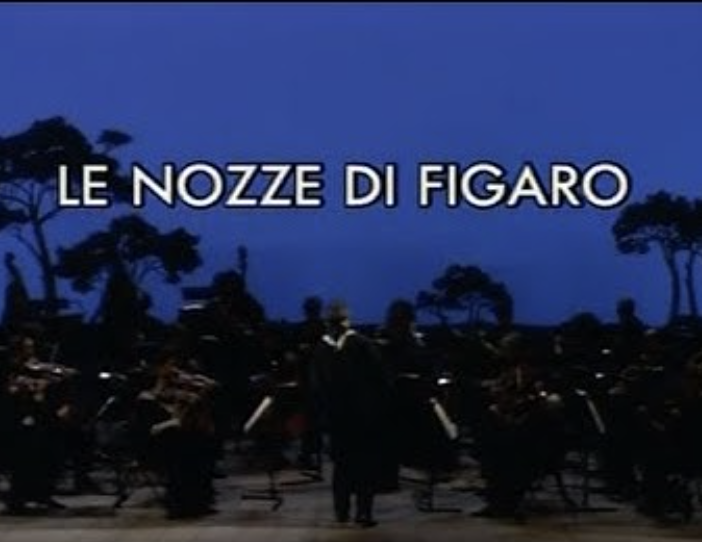
1993 performance at the Theatre du Chatelet in Paris, under the baton of John Eliot Gardiner featuring the English Baroque Soloists.
Pre-Opera Lecture
A 7-minute long lecture to refresh backgound and context on this masterpiece opera.
Synopsis
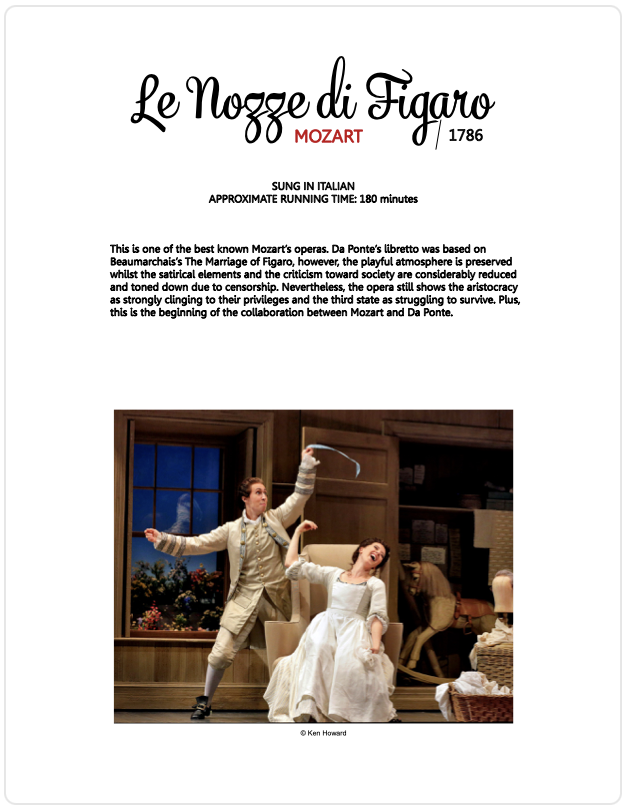
Synopsis and background material.
Libretto
English libretto.
Beaumarchais Play - en français
Frederica von Stade singing "Voi che sapete"
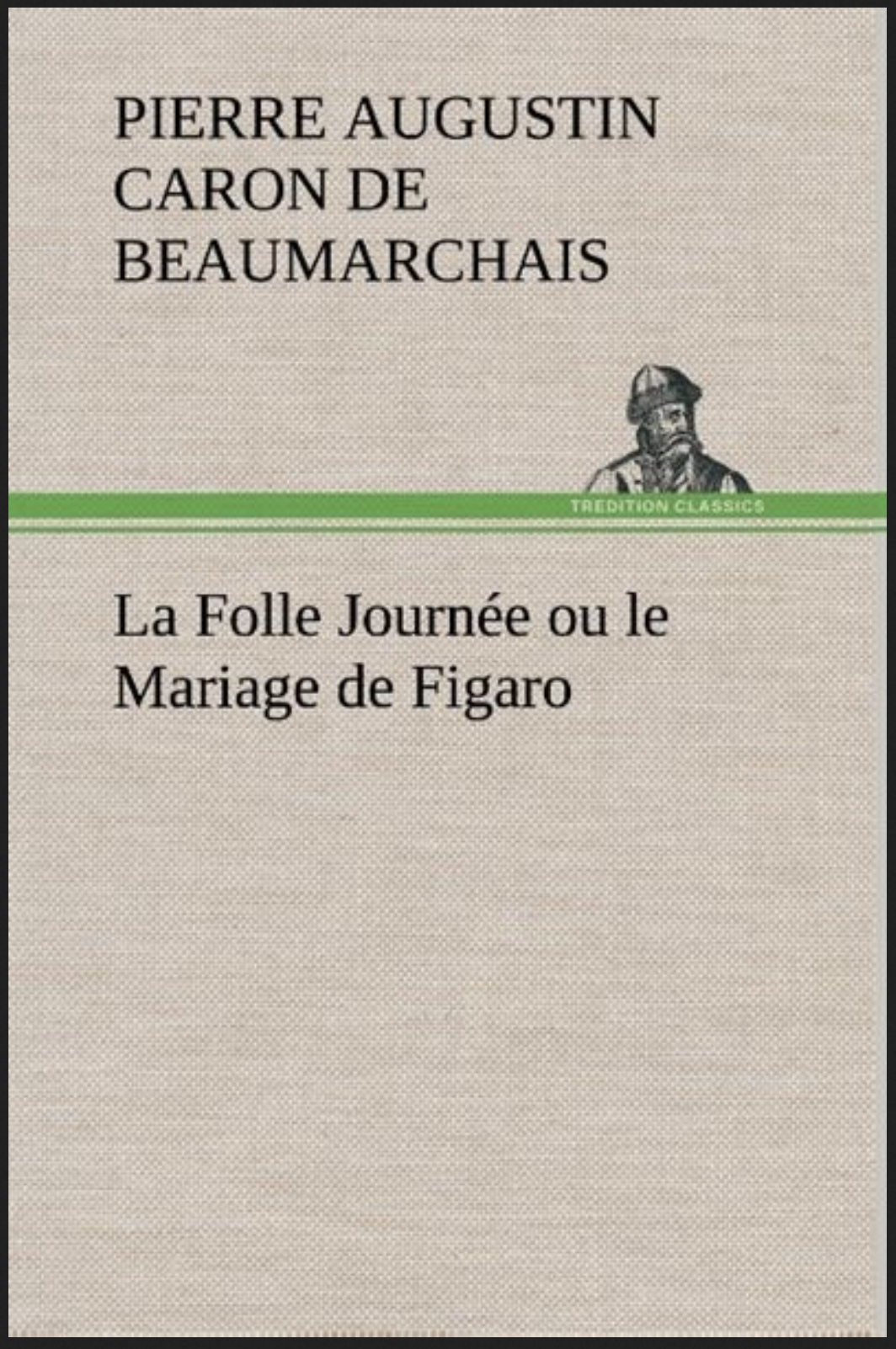
French text of the Beaumarchais play. Background information untiil page 19. Play text begins on page 22.
Beaumarchais Play - in English.
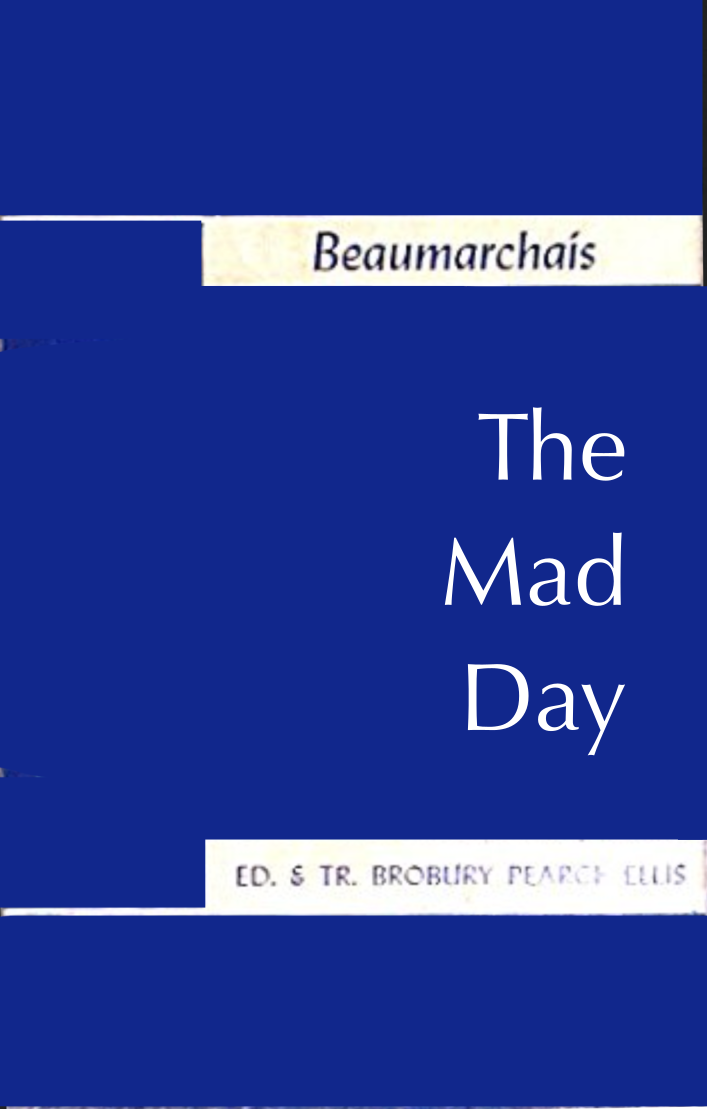
English text of Beaumarchais play. Play text begins on page 4.
Frederica von Stade singing "Voi che sapete"
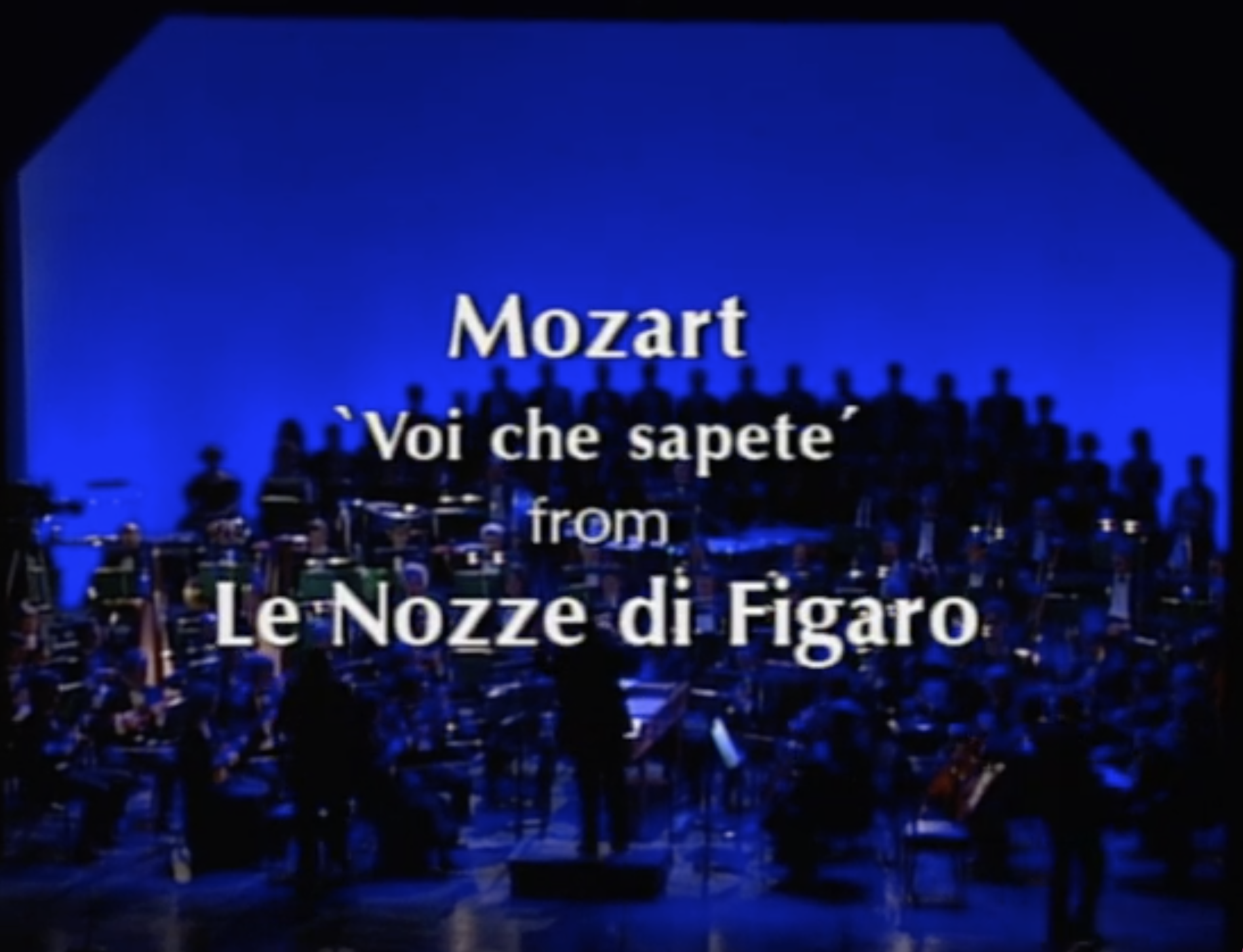
1992 Glyndebourne. Final concert in the original opera house at Glyndebourne. The original hall opened May 28, 1934 with a production of Mozart's Marriage of Figaro. This concert opened with the aria, "Voi che sapete" sung by the Amerian mezzo-soprano Frederica von Stade, the greatest mezzo of her day. Radiant and in great voice, she moulds her 47 years to the character of a hormonal teenaager.
Gerald Finley and Renee Fleming singing "Contessa, perdono"
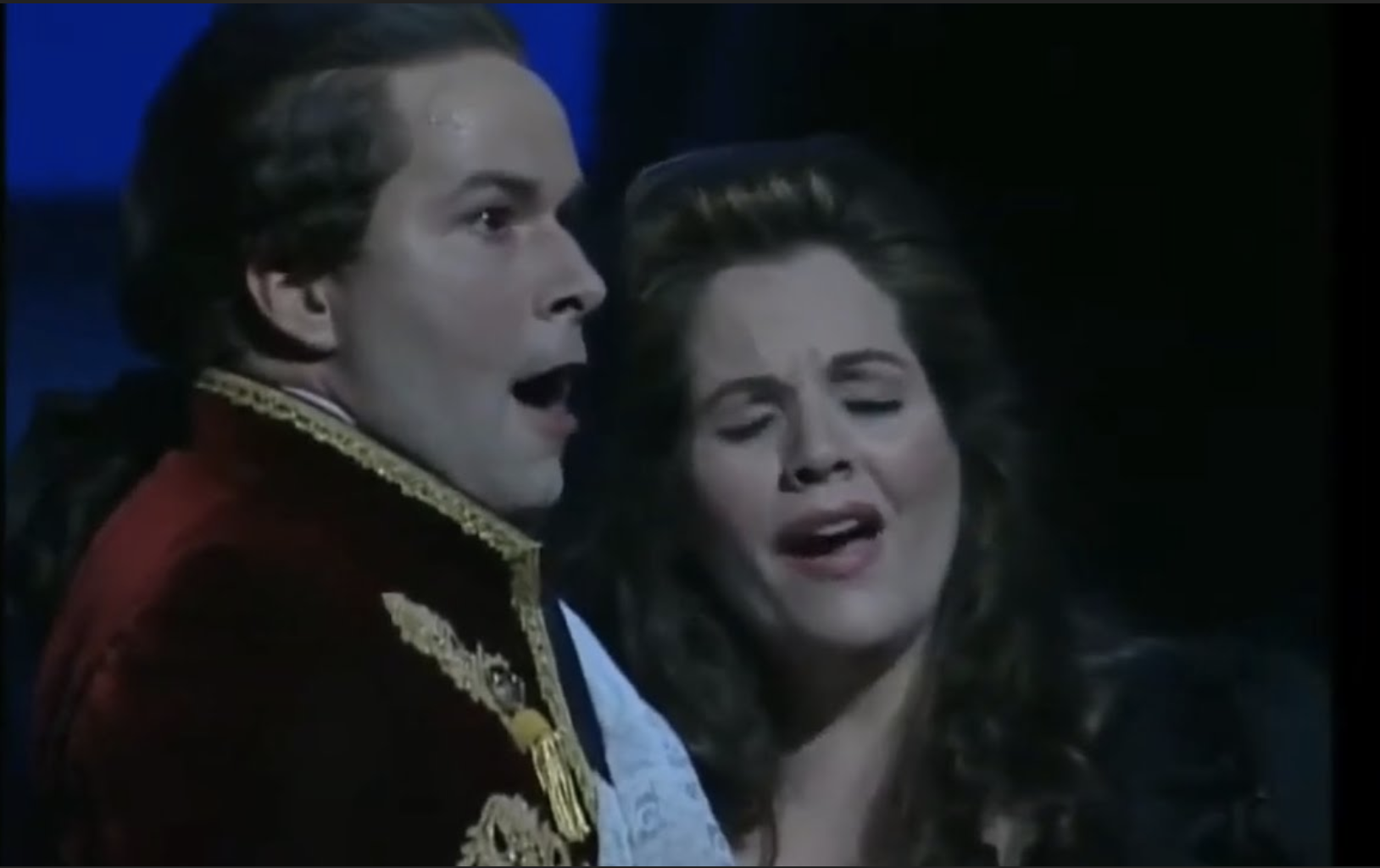
A lovely performance of "Contessa, perdono" by America's sweetheart soprano, Renee Fleming.